
In over 20 years of our experience, we've served many a New Yorker looking to move to Miami, and helped them find a place to call home in the Magic City. The one question that we’ve been asked frequently is ”What is the difference in the cost of living between Miami and New York?”
And with the New York mayoral election having just passed, we’re here to offer New Yorkers an insightful answer to that question. Not a fluffy one, but a data-backed analysis of the costs of living between these two massively popular U.S. cities with a longstanding relationship to each other.
New York has long been considered an expensive city, and last year was ranked the most expensive city in the U.S., and 7th most expensive in the world. Miami in comparison has historically been seen as much less expensive, but with less culture and economy. But that is all in the past now.
Indeed, Miami’s value is increasing. And greatly. And we’re seeing more and more New Yorkers making the move here, or South Florida in general. Yes, its cost of living has risen over the last several years, but only as the city matures, with massive new developments and infrastructure improvements taking place. This growth is attracting more and more new residents from around the world, and out-of-town investments that are making it the hot locale it is today.
But can we go as far as to say Miami is more expensive than New York in some aspects? Or is Miami still offering you more bang for your buck? (Hint, no state or city income tax in Florida and Miami hits pretty heavy.) Let’s dive in.
To take a comprehensive look at the cost of living in Miami vs. New York, we quoted directly from several reputable sources, each with their own take on comparing two of the most favorite cities in the world and their cost differentials.
Of course, one’s cost of living is ultimately impacted by each person’s income, state and local income taxes, and housing costs. And salaries and incomes are known to be higher in New York City than in Miami, but then so are the state and city income taxes. Plus, New York is more than 17 times the size of Miami in terms of population.
However, in this post, we’ll dissect every aspect of living in both cities and tell you what it means for your pocket if you’re considering a move in either direction.
— Housing in Miami vs. NYC
In Miami, the cost of rent or homeownership can vary significantly, depending on whether you want to live in a popular neighborhood like South Beach or Brickell or one farther out in the suburbs like Kendall or Doral. And even then, costs fluctuate based on the kind of home you’re looking for, the size, amenities and, particularly, if it's near the coastline or has water views or water access.
As of November 2025, the average rent price for a two-bedroom apartment or condo in the greater Miami area was about $3,200, according to data from Zillow, an increase of about $100 a month from last year.
As Miami luxury real estate experts, we should point out that this number includes many of the southern and western suburbs, so if you are looking to rent in Miami’s most popular neighborhoods, expect rents to be at least 50% higher.
This increase can largely be attributed to the high influx of people to Miami, and the relocation of high net-worth individuals and major companies in the area, as demand outpaces supply. Simply, more demand, and more luxury product, have pushed up rents in core coastal Miami and Miami Beach neighborhoods, even down to some specific buildings.


Up in The Big Apple, the average rent price for any kind of a condo or apartment is about $3,900. That’s still 18% more expensive than in Miami, similarly to last year. And again, the caveat here is Zillow’s estimates include large areas in their calculations.
So let’s dive a little deeper and compare, for example, rents by zip code for Brickell (aka the Manhattan of the South), and Manhattan.
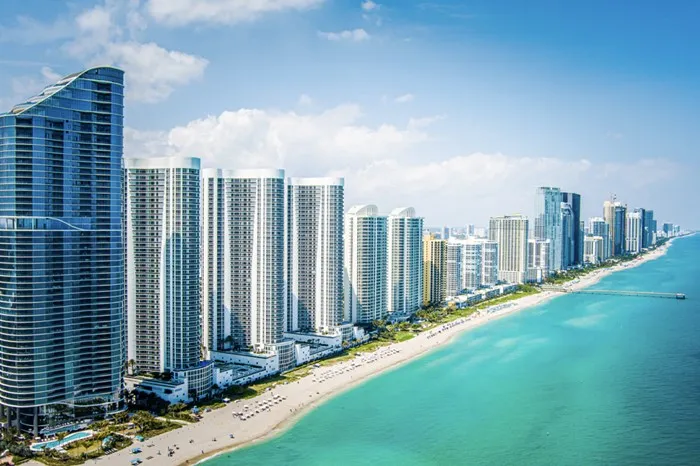
View of Sunny Isles Beach - MIA
What do we find? For the zip code of 33131, the average rent in November 2025 for two-bedroom apartments and condos was $4,400. For the zip code of 10017, Manhattan’s Midtown, the average rent for a 2-bedroom is about $6,940 (about a $700 increase year-over-year).
However, if you go south into Lower Manhattan, rents jump even higher. The average price for a 2-bedroom in zip code 10007 near Tribeca is $9,950 per month, an increase of about $1,088 from last year.
If you compare a more coastal neighborhood, like South Beach, the average rent for a two bedroom condo or apartment in zip 33139 is about $5,300. In Coconut Grove, the average for a two bedroom condo is also about $5,300 (but if you want to be in a new building it will be more). And in Key Biscayne, your average two bedroom rental is costing about $8,000 per month (this also includes single family homes, however).
As expected, the cost of housing in Miami will be your highest living expense, but it’s still not near the prices you see in New York City. However, if you are owning, you do have to factor in other insurance costs, such as flood and hurricane insurance, that would not have in New York City, plus likely somewhat higher HOA fees. But you are usually getting more amenities in Miami condo buildings compared to New York buildings.
— What About Buying a House in NYC vs. Miami?
Much of what has been said about renting in Miami vs. New York City can also be said of buying here and there.
Across all five boroughs, the average greater New York home value, as of November 2025, is about $800,000, an increase of 3% year-over-year.
Meanwhile, in Miami, the average home value rings in at $575,000, which is a much lower value and it even had a 3% decrease year over year.
But both of these housing cost values are low compared to if you want to be living “in” the heart of either of these cities. For example, Trulia notes that the average home value for a two-bedroom in the 33139 zip code of Miami Beach is around $881,202.
And according to Redfin, Tribeca’s 10007 zip code has a median home sold price of $2,580,000 as of September 2025, a 11.0% decrease year-over-year. And in Midtown, according to Realtor.com, the median listing home price in September 2005 was $1.4M, but again, this includes all types of properties.
Overall, according to Nerd Wallet, New Yorkers spend about 213% more on housing than people in Miami-Dade County, making Miami unarguably less expensive. Yet, this percent does not explicitly include the aforementioned insurance costs of flood and hurricane insurance, or account for the specific of home type, amenities and desirable locations.
Moreover, in Miami, you get much more space for your money, making Miami and South Florida a very attractive option for New York City residents to migrate to.
— Comparing Food Prices in NYC vs. Miami
The most recent data shows that when it comes to grocery shopping, where you live influences how much you spend. A September 2025 report from Instacart shows that the average monthly household cost of groceries in Florida was $601 while in New York state it was $685. Zeroing in on city data, according to Numbeo’s assessment of key food item prices, the recommended monthly minimum amount of money for food per person in New York City was $574 compared to $479 per month per person in Miami.

NYC Food Stand
However, when it comes to eating out, Miami now takes the cake for the most expensive city to dine out in the U.S. With an incredible array of world-class restaurants and Michelin-starred restaurants, Miami has dethroned New York as the most expensive city to enjoy a meal out, according to a study by Chef’s Pencil comparing cost per meal for a mid-range three-course restaurant meal to monthly average local net salaries. Ranking 177 international cities, Miami beat New York the list.
A 3-course meal for in a mid-range restaurant will set you back about $60 per person on average if you’re dining in Miami based on an average monthly salary of $4,230. In New York, however, the same experience is going to cost you about $71 based on an average monthly salary of $5,358.
— How Is Transportation in Both Cities?
In Miami, even though more and more people are forgoing car ownership, it’s still extremely common to own a car, and most would say necessary. Meanwhile, in New York City, everyone knows it is very common to live without a car and rely on their extensive public transportation system. Unfortunately, both cities are among the most expensive in the country for car owners due to high insurance rates, gas prices, tolls, and parking costs, among other costs.
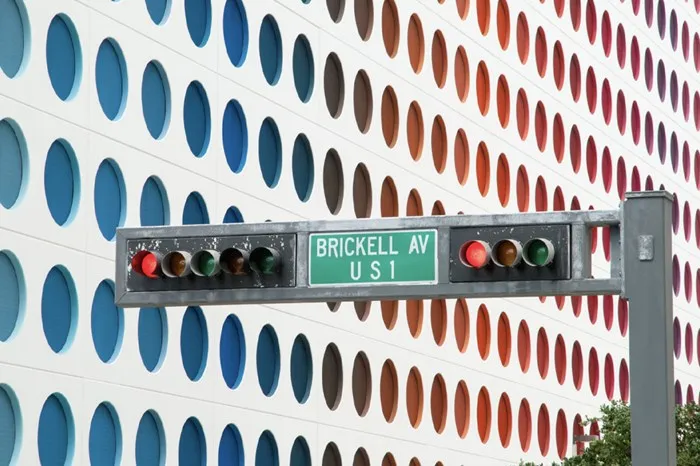
Brickell Ave - Miami Downtown
Florida is the 6th most expensive state in the U.S. to own a car, while New York tops the list of the most expensive largest U.S. cities to own a car in, with the monthly car cost total of $789 (excluding the cost of the car).
One of the primary reasons is parking. And, in NYC, a parking spot is another form of real estate and it’s just as expensive. If you want to park your car in a lot, the rate in New York City averages about $570 per month but can surpass the thousand-dollar mark in some areas of Manhattan. It would be like renting your car a bedroom in the city. Miami’s silver lining when it comes to parking is that it is usually, but not always, included with your home, condo, or apartment costs, and it is much cheaper compared to NY.

Subway - Downtown NYC
Now, when it comes to public transportation, Miami simply can’t compare to the extensive options of New York City. That said, Miami’s monthly pass is more expensive than New York’s, with the first one going for $145.50 and the latter for $132, although New York’s system is much bigger and much more comprehensive than Miami’s. Don’t expect to have nearly the same connectivity in Miami that you have in NYC for public transportation either. At least not yet.
Finally, you should add to this Uber, Lyft and other ride-sharing service costs, and you’ve got similar costs for transportation in both cities.
— Entertainment in Miami vs. NYC
In New York, you can find the entire gamut of entertainment options, from the extremely expensive to the free, and lots of it. Although that is also true of Miami, as the city is a fantastic cultural destination, New York takes first prize for the sheer number of entertainment and cultural options available, 24-7. It’s where you’ll find the country's greatest concentration of art and culture.

Broadway - NY
However, New York is generally more expensive for the fun things you pay for.
For example, seeing a movie in Brickell, Miami costs between $16.75 to $18.50 per ticket, while in New York City, it’s $23.10, about 10% increase (and it’s the highest movie night price in the country).
If you want a ticket to a Broadway musical in NYC, you can easily spend hundreds of dollars. In contrast, a ticket to the traveling production of the same show in Miami at the Adrienne Arsht Center will be about 30% less on average. Tickets for the Spring 2026 performances of Moulin Rouge in Miami range from $52.65 - $181.35 (including all fees), whereas on Broadway they can range from $75 to $500 per ticket.
Concerts and sports events will probably cost about the same for the average ticket. However, premium and club level seats will probably be more expensive in NYC. Miami Heat NBA tickets can range up from $55 per seat to more than $10,000 per courtside seat, whereas New York Knicks courtside seats can sell for more than $50,000 per seat.
— What About Healthcare?
Although both cities have options, healthcare is 35% more expensive in Manhattan, and 28% in Brooklyn, compared to Miami-Dade County. Much of your healthcare expenses will depend on your health insurance plan and premiums. However, many will argue that health care in New York is some of the best in the United States. Sort of you get what you pay for.
However, a 2023 federal study found that the average premium in New York for employer-sponsored single coverage was the third-highest in the U.S. at $9,173. Its average cost for family coverage was second-highest at $26,355. Another study found the average 2024 health insurance premium in Florida was $471 versus $627 in New York.
In general, health insurance and healthcare costs can vary drastically depending on your coverages, your needs, and whether you are getting employee-based coverage or through the Marketplace. We suggest you speak to a qualified agent in your area to know more specific costs.
— Difference in the Cost of Utilities
In Miami, utility bills vary by the season. Air conditioning is necessary throughout most of the year, especially in the summer when the heat combines with the humidity, but turning your heat on is only necessary a few days or weeks out of the year. With its temperate weather, Miami residents are simply not subject to heating their homes during the winter like in New York.
Additionally, heating with gas is not common at all in Miami, so living here you won’t likely have a gas bill. Or a high heating bill at all for that matter.

In contrast, energy is one of those items you can add to the growing list of things that are more expensive in New York City. Over there, the average cost of electricity for 2025 is 26.18¢ per kilowatt/hour, whereas the average cost of electricity in Miami is 15.12¢ per kilowatt/hour.
Your total monthly expense will depend on the size of your home, how many people live in it, and how modern your appliances are, but generally, Miami should be cheaper than in The Big Apple.
— Comparing Taxes in New York City vs. Miami
Ahhh, the all-important tax discussion. When discussing Florida taxes vs. New York’s in general, New York’s taxes are much higher across the board.
New York has a state income tax, as well as a city income tax. However, Florida has no income taxes—at all. So, naturally, due to the lack of income tax, Florida is becoming more and more attractive to businesses and wealthy New York residents to relocate to, thus gaining points in the old Miami vs. New York cost of living debate.

According to SmartAsset estimates, should you be earning a high six-figure salary ($650,000 and higher) and decide to move to Miami, you could be saving about $200,000 per year!
Additionally, if recent proposals to eliminate property taxes altogether in Florida would pass, Florida would become even more financially attractive to own property and work in.
— Frequently Asked Questions
What Salary Do You Need to Live Comfortably in Miami?
According to the 50/30/20 budget, which accounts for your basics (50% of your salary), wants (30%), and savings (20%), if you are single, without children, you must earn around $100,000 a year to live comfortably in Miami. Of course, everyone’s definition of comfort is slightly different, and it largely depends on your interpretation, considering Miami has a substantial luxury housing market and lifestyle culture.
However, this figure represents what it would take to afford modest necessities and have a bit of disposable income left over. In New York, you would need at least a $184,420 annual salary to live comfortably as a single person, which makes it the 5th most expensive city in the US.
How Much Cheaper Is Miami Than New York City?
While the cost of living in the Miami area is 21% higher than the national average, in New York it reaches 74%. Accounting for a variety of factors, and assuming a $140,000 salary in Miami, one would need to make $200,000 in New York to enjoy the same standard of living, which makes living in Miami about 48-53% cheaper than in New York.
— So What’s the Bottom Line in the New York vs. Miami Debate?
As we’ve seen, Miami is still quite a bit less expensive than New York City, despite recent increases in Miami housing and lifestyle costs. This is due mainly to the tax savings and other expenses still being cheaper in The Magic City.
So if you’re considering moving to Miami from NYC, you’ll find significant cost savings and likely a raise in your standard of living. And not only is Miami cheaper than New York, but MIA residents enjoy stunning beaches and amazing weather year-round in the center of a vibrant international cultural hub.
If you’re considering making the move from New York City to Miami, let us be your guide. We’ve helped many clients happily call Miami home, without ever missing a beat of the financial markets. Explore all available listings at CondoBlackBook or contact us and we’ll be happy to help you every step of the way!